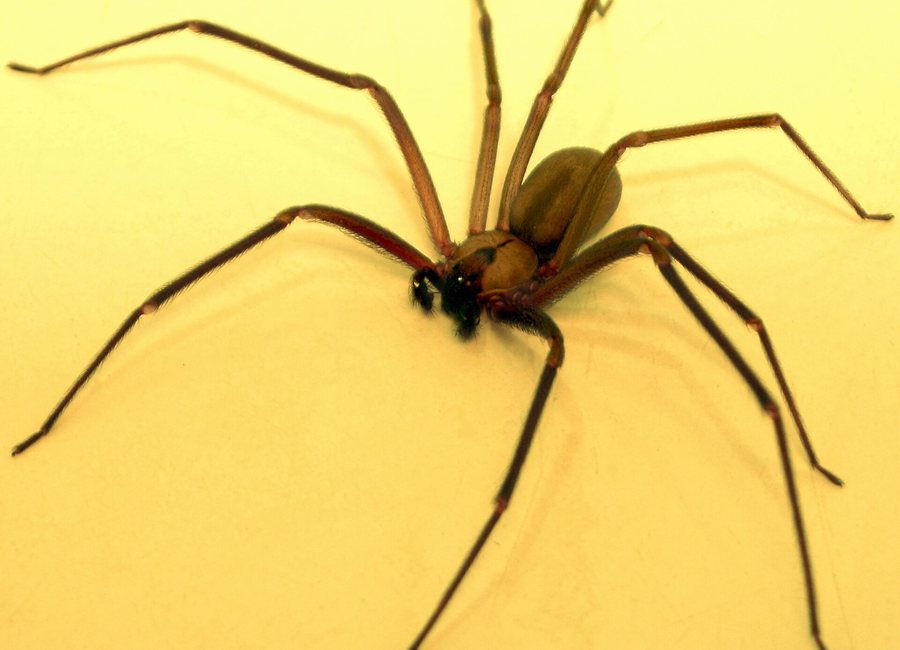
Spider control in Covington, KY starts in the basement. The damp stone-and-brick basements under the older houses are ideal for long-legged cellar spiders, and the webs they leave in every corner are the ones most people call about. The species that matters medically is the brown recluse, which is present in Kentucky and likes exactly what an old Covington house offers: undisturbed, dry, cluttered spaces, storage boxes, closets, attics, behind furniture, and inside seldom-moved items. Black widows turn up in garages, sheds, and window wells. An experienced local exterminator clears the webs, treats the harborage, and cuts down the insects spiders are hunting.
What lives in an old Covington house
Cellar spiders and common house spiders dominate the damp basement and the corners of the porch. They are harmless, but the webbing is relentless and it signals a healthy insect supply. Brown recluse are the ones to take seriously: shy, nocturnal, and drawn to undisturbed clutter in attics, closets, storage rooms, and boxes that have not moved in years. Black widows prefer garages, sheds, window wells, and stacked material outside.
Because spiders follow their food, a basement full of webs usually means a basement full of insects, which is why control works best paired with a general perimeter.
How spider treatment works
The exterminator does a physical web and egg-sac knockdown through the basement, corners, eaves, and storage areas, treats the harborage, wall voids, sill plates, boxes and clutter zones, window wells, and lays a residual perimeter barrier. Removing egg sacs is what stops the problem from restarting.
For brown recluse specifically, the plan leans on reducing clutter and sealing, plus monitors placed in the quiet spaces they favor. Cutting the insect prey and sealing gaps around the sill and foundation keeps spiders from re-establishing.