Rats on the Riverfront: Covington's Rodent Problem Explained
The river, the alleys, the basements
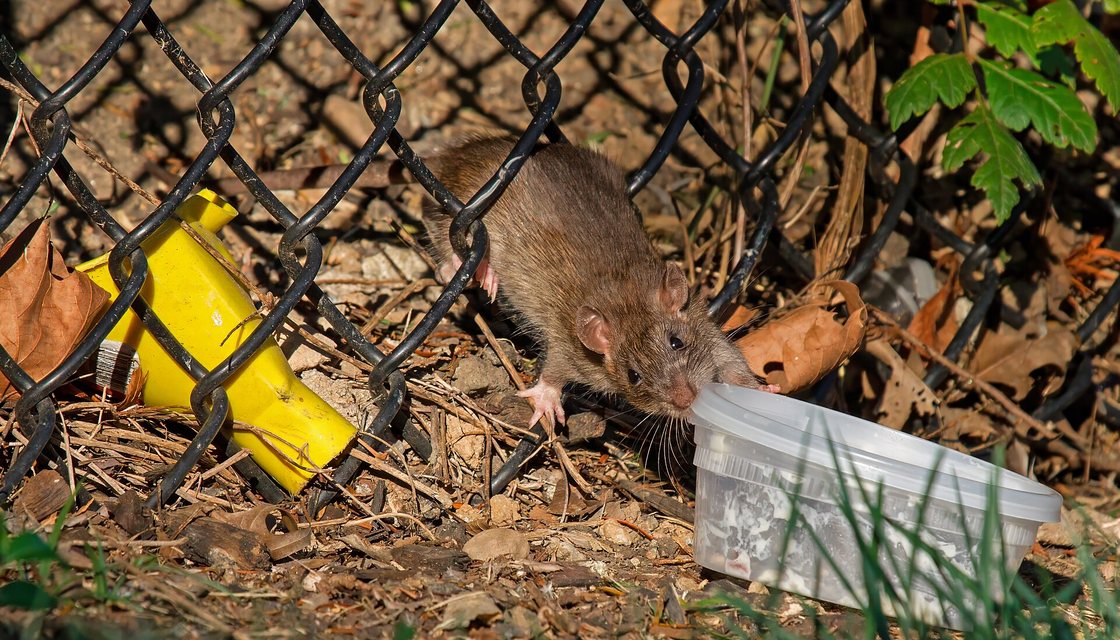
Covington gives Norway rats everything at once: two rivers, a floodwall, service alleys behind the rowhouses, combined sewers, and basements under buildings that went up in the 1800s. Rats work low, denning in burrows along the banks and under slabs, then moving into basements, ground floors, and restaurant back-of-house along the older commercial strips.
House mice are the other half of the problem. Century-old brick, worn thresholds, and utility penetrations leave gaps a mouse can pass through, and it needs only about the width of a dime.
How they get in
The usual routes are foundation and basement gaps, window wells, sewer laterals, the corner where an old door meets a worn threshold, and the utility penetrations nobody has looked at in decades. Once inside, rodents gnaw wiring, which is a fire risk, contaminate food, and breed fast.
Because rats travel between properties along the alleys and shared walls, a building can keep getting hit even after the rats inside are gone, if the entry points stay open.
Trapping plus exclusion
Bait alone leaves you guessing and can leave a dead-rat odor inside a wall or basement. The reliable fix is trapping plus exclusion: snap traps and tamper-resistant stations on the runways rodents actually use, then sealing every entry point with rodent-proof materials.
Then cut the attractants. Secure the trash and the alley dumpster, stop leaving pet food out, clear the clutter in the basement, and fix the standing water. A sealed building with nothing to eat stops being worth the trip for the next rat working the block.
Dealing with this in Covington?
Call and connect with an experienced local exterminator.